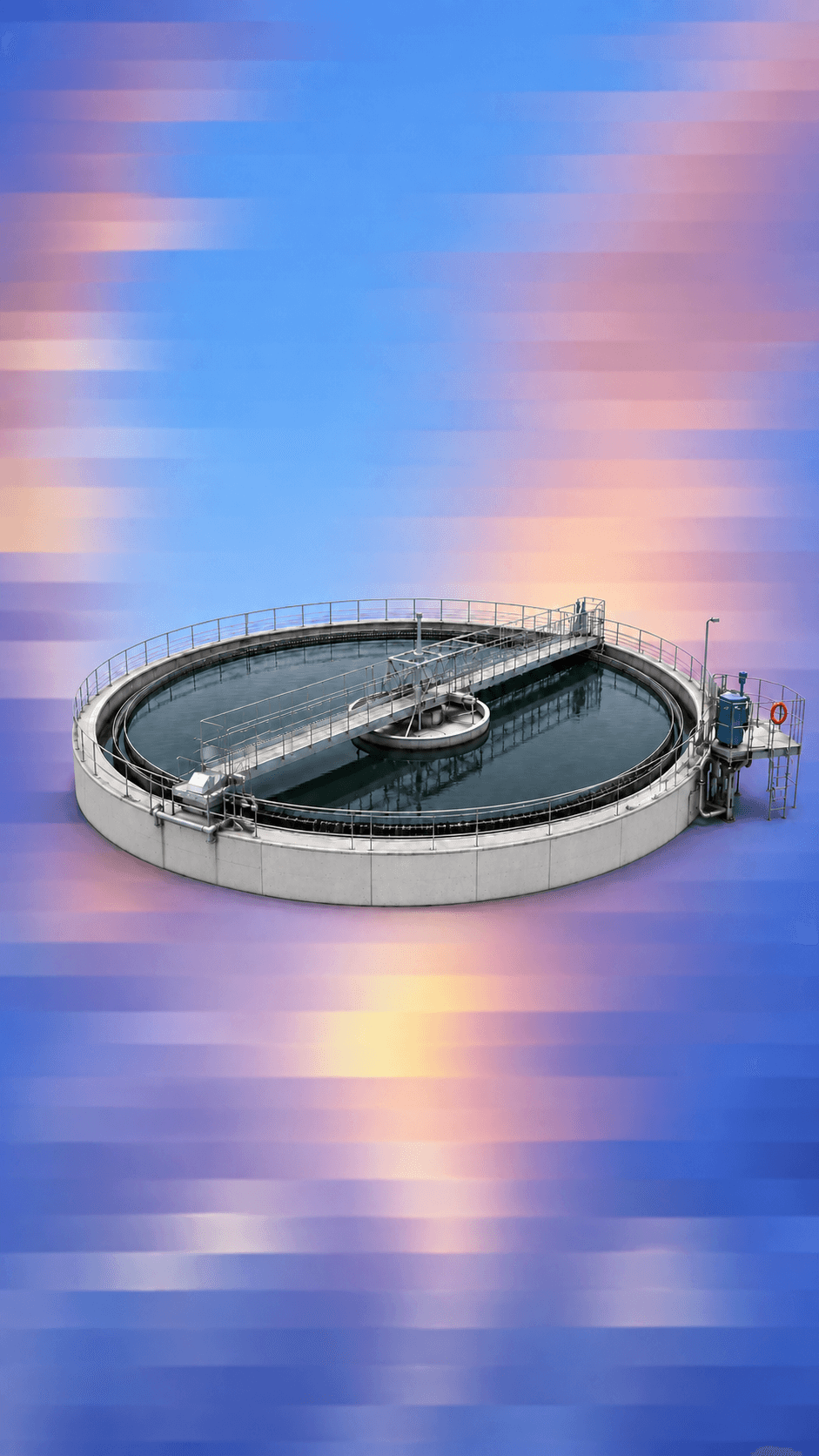
Why Distributed Water Infrastructure Is Hard to Secure
Water and wastewater utilities run some of the most distributed OT environments in critical infrastructure. Treatment plants, lift stations, and remote wellheads connect through cellular modems and legacy PLCs, often supported by a vendor working elsewhere entirely.
Since late July 2026, utilities across a dozen states have confirmed OT attacks, nearly all through the same pattern: an internet-exposed PLC and a default password, no malware required. When proper access isn't there, people find a way around it. The workaround becomes the risk.
70% of inspected water systems were found in violation of basic cybersecurity requirements — failure to change default passwords, shared logins, no incident response plan.
OT Secure Remote Access
Zero Trust vendor and operator access, asset-scoped and time-bound, backed by Moving Target Defense, even across cellular-connected field sites.
Low Bandwidth, No Internet
Full local deployment for wellheads and lift stations with no internet connectivity, not just limited bandwidth. Runs entirely on-site when the cloud isn't reachable.
Simplify Updates
Streamline system updates, file transfers, and patch management. Manual patching across every remote site is resource-heavy; automated transfer cuts the O&M cost.


A Critical Control for Modern Risk
Secure Remote Access delivers 12%+ risk reduction and closes one of OT's top three attack vectors.
Verified by Teams Protecting the Water Supply
“The Dispel team has done an amazing job of being proactive and doing their due diligence to identify the challenges and pain points that an organization has with securely providing remote access to their employees and third parties.”